Jump to main content

Key profile area

Intelligent Methods for Earth System Sciences

Within the University of Cologne there are nine key profile areas (KPA) - thematically defined research areas of high scientific and/or societal relevance. Since 2022, there is the key profile area "Intelligent Methods for Earth System Sciences". 

Learn more
Institution logo

News and upcoming events

Congratulations!

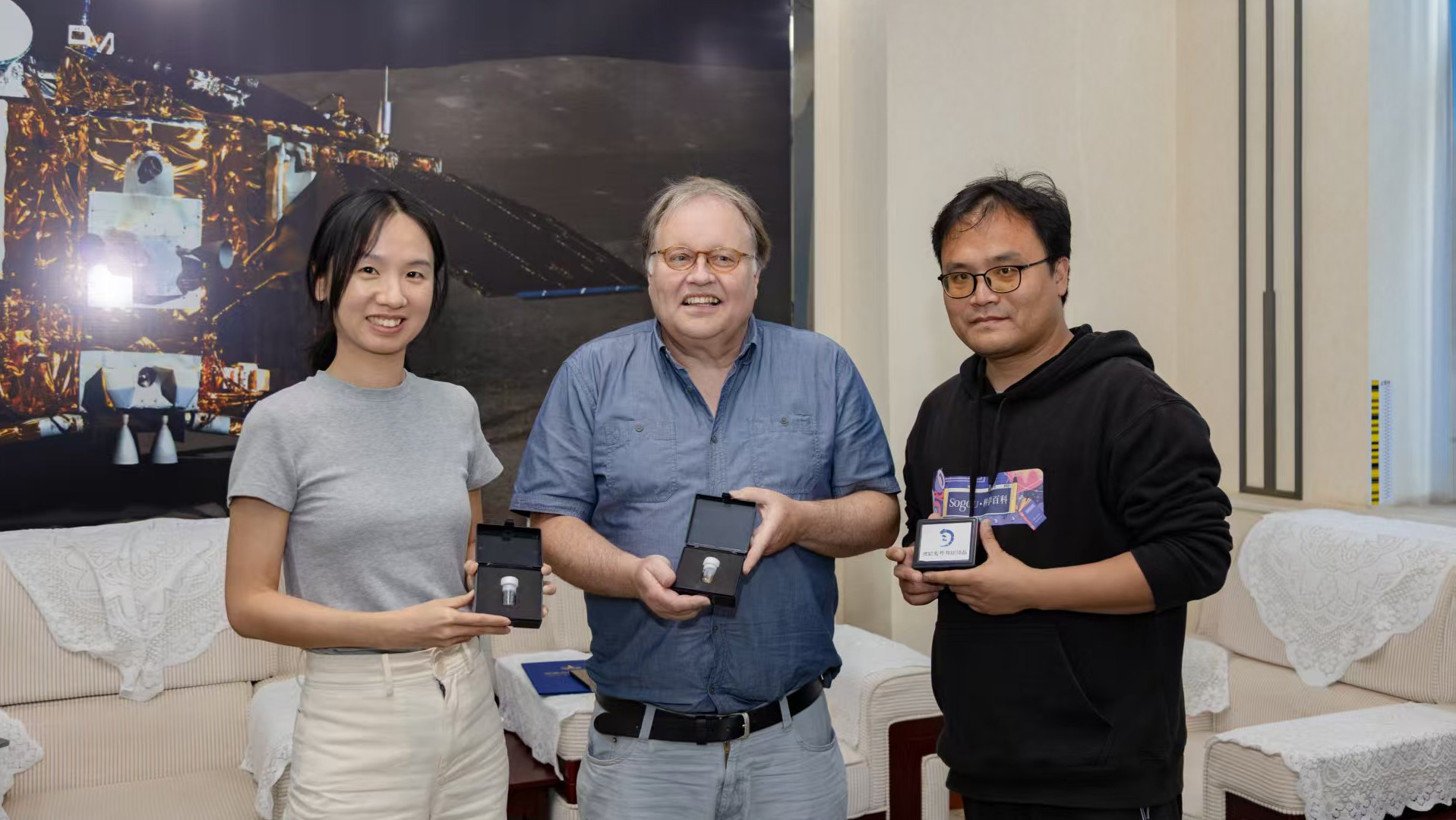
JOYCE (Jülich Observatory for Cloud Evolution) has officially received the label as an ACTRIS cloud remote sensing station

VITAL II measurement campaigne

successfully started! In the Cologne Bay there is an intense measurement phase from 1st June till 31st August 2026.

Logo of ELLIS Unit NRW

ELLIS Unit NRW

Congratulations on the establishment of the new ELLIS Unit NRW! University of Cologne’s press release!

KlimaOER - OERimBlick 2026

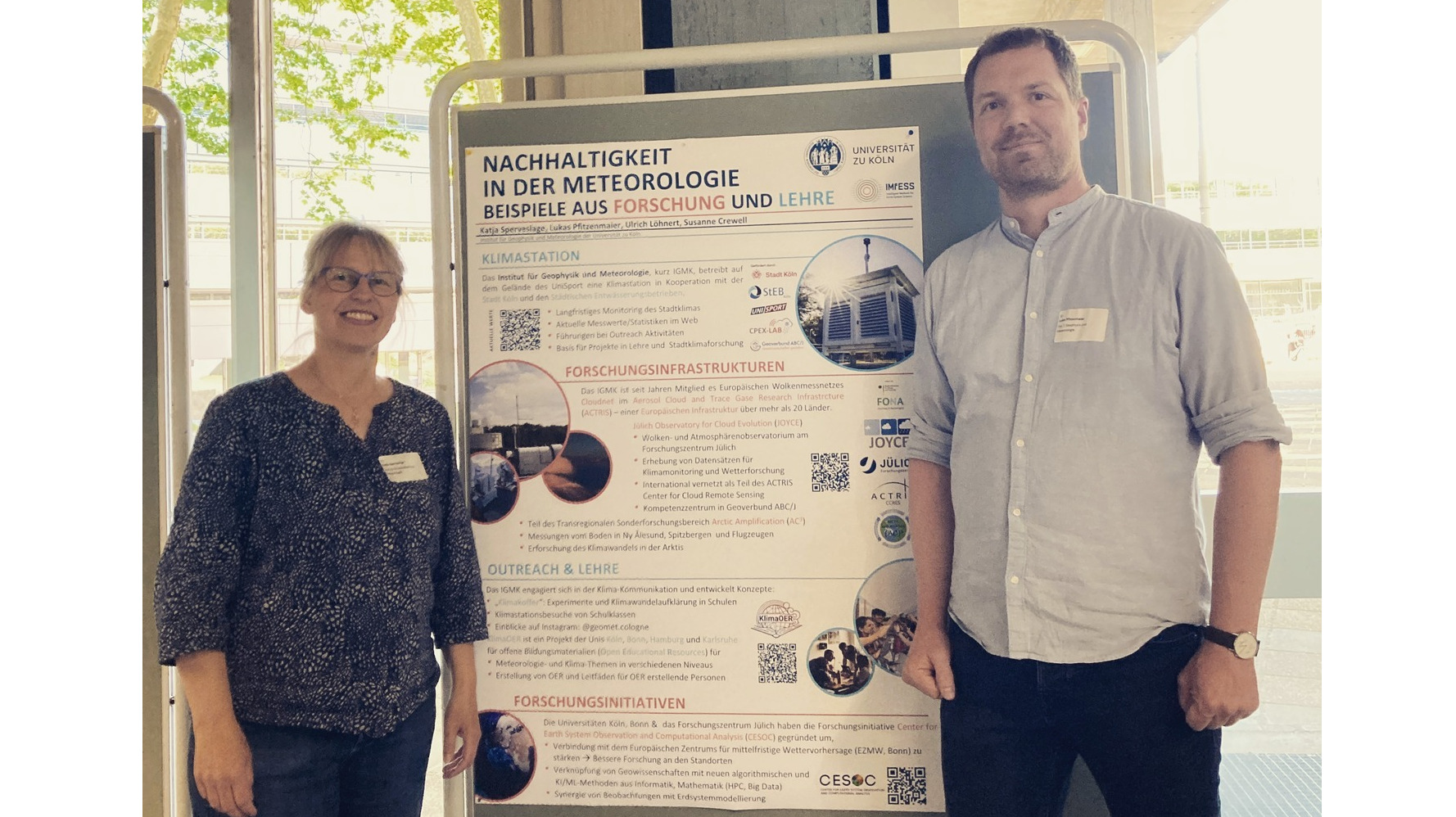
A jungle atmosphere at the "OER (Open Educational Resources) im Blick" conference on 28–29th April 2026

Invitation for inaugural lectures

9 inaugural lectures in Computer Science

On 24 March from 9 a.m., we invite all interested parties to attend the inaugural lectures in Computer Science.

AI days

The AI days were organized by the 9 KPAs and 5 Clusters of the University of Cologne.

Mission

Our Earth system provides essential functions that we cannot survive without on our planet. Despite its enormous complexity, the Earth system is vulnerable and is being pushed beyond its limits by human activities in key areas. This overloading of the Earth's system manifests itself, for example, in a more significant number of extreme weather events, a progressive loss of biodiversity, and other ecosystem services that are essential to us. Systematic research into the resulting effects and avoidance or adaptation strategies is the central challenge for Earth system science in the 21st century. 
The KPA ‘Intelligent Methods for Earth System Sciences’ (IMfESS) aims to better understand the processes and interrelationships of past, present, and, above all, future changes in the complex, coupled Earth system to be able to make science-based and, above all, reliable recommendations.
To advance the Earth System Sciences we develop a new generation of methods utilizing novel observations, efficient algorithms, machine learning, and simulations.
Further details to methods, strengths, future potential and success stories on ‘About’.


Funded by